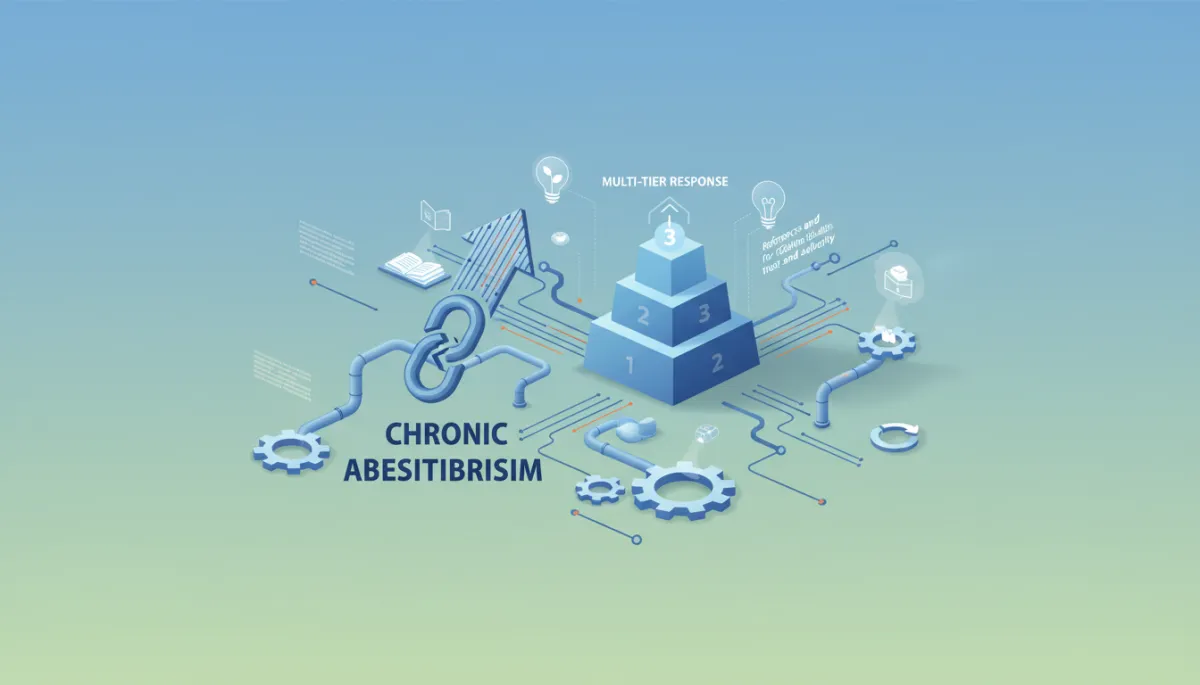
Reduce Chronic Absenteeism with Automation
Education, Reducing Chronic Absenteeism
Using Pipelines, Opportunities, and Automation to Reduce Chronic Absenteeism in the First 30 Days
Reducing chronic absenteeism requires more than one-off calls home. Schools need a structured, data-informed, multi-tier response that activates the right support at the right time. By combining pipelines, opportunities, and automation workflows, districts can design a powerful 30‑day engagement plan that intervenes early and consistently with students who are beginning to miss too much school.
Why a 30-Day Multi-Tier Response Matters for Reducing Chronic Absenteeism
Chronic absenteeism—typically defined as missing 10% or more of the school year—has been linked to lower achievement, higher dropout rates, and long-term economic impacts (Attendance Works, 2023; Gottfried, 2014). Research shows that early, relational outreach during the first weeks of disengagement can significantly improve attendance trajectories (Balfanz & Byrnes, 2018). A structured 30‑day engagement plan transforms this insight into an operational system, ensuring that no student “quietly disappears” from view.
Step 1: Use Pipelines to Track Every Student Through the Attendance Journey
In the context of reducing chronic absenteeism, a pipeline is a visual and operational map of the stages a student moves through as absences accumulate and supports are deployed. Instead of scattered spreadsheets or ad‑hoc lists, a pipeline provides a single, shared view of where each student stands in the 30‑day plan.
Define clear stages: For example: “Emerging Risk (3–4 absences),” “Moderate Risk (5–7 absences),” “High Risk (8+ absences),” and “Stabilized/Improved Attendance.”
Connect stages to time frames: Align each stage with specific checkpoints in the first 30 days of concern (Day 1–7, Day 8–15, Day 16–30).
Assign owners: Identify who is responsible at each stage—teacher, counselor, attendance team, or family liaison—so accountability is built into the pipeline.
By treating attendance like a student‑success pipeline, schools can move beyond reactive truancy responses toward proactive, tiered engagement that supports students before they cross the chronic absenteeism threshold (Allensworth & Easton, 2007).
Step 2: Turn Each Case into an “Opportunity” with a Clear Outcome
In customer relationship management (CRM) systems, an opportunity is a specific, trackable case with a desired outcome. Applied to reducing chronic absenteeism, each student who hits a risk threshold becomes an “attendance opportunity” with a concrete goal—such as “return to <5% absences in the next 30 days.”
Set a measurable objective: For example, “Student attends at least 18 of the next 20 school days.”
Capture root causes: Within each opportunity, log barriers such as transportation, health, caregiving responsibilities, or school climate concerns (Chang & Romero, 2008).
Record interventions: Document calls, home visits, schedule changes, mentoring, or counseling, so the team can see what has been tried and what worked.
Treating each case as an opportunity reframes reducing chronic absenteeism as a relationship‑building process, not just a compliance task. It also creates a data trail that leaders can analyze to refine strategies over time (Jordan & Miller, 2017).

Tracking each case as an opportunity reveals which interventions most effectively improve attendance.
Step 3: Build Automation Workflows That Trigger Timely, Tiered Outreach
Automation workflows are the engine that move students through the pipeline without relying on memory or manual tracking. When thoughtfully designed, they support a multi-tier response—from gentle nudges to intensive, personalized interventions—within the first 30 days of emerging absenteeism.
Tier 1 (Universal, Days 1–7): Automatically send friendly reminder texts or emails to families after the second or third absence, emphasizing that attendance matters and offering simple resources (Attendance Works, 2023).
Tier 2 (Targeted, Days 8–15): Trigger a task for a staff member to call home, schedule a brief problem‑solving conversation, and log outcomes directly into the opportunity record.
Tier 3 (Intensive, Days 16–30): Launch workflows for multi‑disciplinary team meetings, home visits, or wraparound supports when absences continue despite earlier outreach.
💡 Pro Tip: Use automation for consistency, not for cold, generic messages. Combine automated triggers with warm, human follow‑up to build trust with families.
Designing a 30-Day Multi-Tier Engagement Plan to Reduce Chronic Absenteeism
Bringing pipelines, opportunities, and automation workflows together allows schools to design a concrete 30‑day engagement blueprint focused on reducing chronic absenteeism before it becomes entrenched. A sample framework might look like this:
Day 1–3: Student hits early risk threshold (e.g., three absences). An opportunity is automatically created in the attendance pipeline, and an introductory, strengths‑based message is sent to families.
Day 4–7: Workflow assigns a teacher or mentor to check in with the student, log barriers, and update the opportunity record. If attendance improves, the student moves to a “monitoring” stage.
Day 8–15: Continued absences trigger Tier 2 actions: scheduled family call, resource referrals, and a short‑term attendance plan co‑created with the student and caregiver (Balfanz & Byrnes, 2018).
Day 16–30: If risk escalates, automation notifies the attendance team to consider Tier 3 supports, such as counseling, transportation solutions, or community partnerships, all documented within the opportunity.
Over time, analyzing data from this 30‑day pipeline—conversion rates between stages, most effective interventions, and common barriers—helps leaders refine strategies and invest in what truly moves the needle on reducing chronic absenteeism (Jordan & Miller, 2017; Attendance Works, 2023).
Conclusion: Make Reducing Chronic Absenteeism a System, Not a One-Time Campaign
Reducing chronic absenteeism is achievable when schools treat early warning signs as the start of a structured, 30‑day engagement journey. Pipelines provide clarity on where each student stands, opportunities turn abstract “attendance problems” into concrete, solvable cases, and automation workflows ensure that every tier of support is delivered on time. Grounded in research and powered by thoughtful systems, this approach keeps students connected, supported, and present—day after day.
Learn more about building your 30-day attendance engagement pipeline here.